
1946 Penny Market Values Across Grades: What to Expect at Auctions
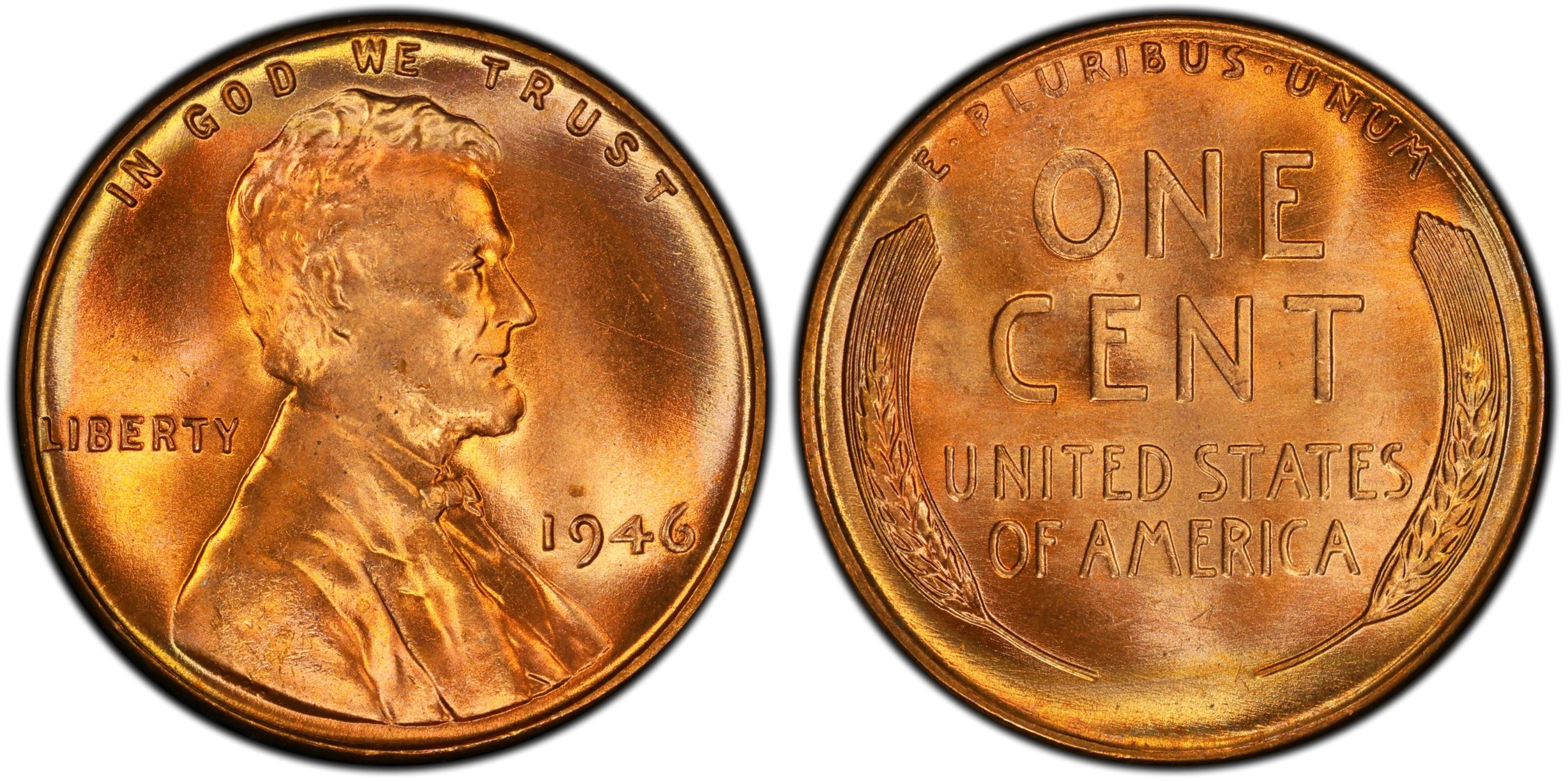
The 1946 Wheat Penny reached $16,800 at the auction for the San Francisco issue. Despite the auction stars, some issues need your attention, because cost a lot of dollars.
The Item History
The year 1946 marked a significant shift for the United States Mint. During World War II, military needs forced the government to conserve strategic metals.
The mint produced steel cents in 1943 and then utilized recycled brass shell cases from 1944 through 1945. The 1946 Wheat Penny represents the final year that the mint used this specific war-salvaged ammunition alloy.
Numismatists face a strange contradiction when they analyze the item. The combined output from the three active mint facilities reached nearly 1.5 billion individual coins.
In normal economic terms, such a vast supply minimizes collectible value. Most people still find these coins in junk boxes for a few cents.
Item Characteristics
Year | 1946 |
Weight | 3.11 g |
Diameter | 19.00 mm |
Edge | Plain |
Metal | 95 % Copper |
1946 Penny Valuation: The Color Designation Factor
Why Copper Grading is Unique
Gold and silver coins require an assessment of wear and strike clarity. Copper coins require an additional step during the evaluation process. Air, moisture, and time change the surface chemistry of copper.
Third-party authentication services, such as NGC, separate copper coins into three precise color categories. These categories depend on the amount of original orange-red luster that remains on the metal surface.
Brown BN Specification
The Brown designation applies to coins that have lost their original sheen. These specimens retain less than fifteen percent of their original orange-red luster.
Environmental exposure turns the surface a dull brown color. Most 1946 pennies in pocket change or old coffee cans fall into this class.
Collectors view these coins as basic placeholders. Auction houses rarely sell individual Brown specimens unless the coin features a significant die error.
Red-Brown RB Specification
The Red-Brown classification describes a middle tier of preservation. These pieces display between fifteen percent and eighty-five percent of their original mint color.
You will see a mixture of chocolate brown fields and orange highlights around the letters or inside Lincoln’s portrait. While Red-Brown coins possess more visual appeal than Brown examples, they do not reach premium market heights. Buyers pay a modest amount for this intermediate phase.
Red RD Specification
The Red designation serves as the highest color standard for copper numismatics. A coin must display more than eighty-five percent of its full, original orange-red mint luster to earn this label.
This requirement creates a massive market barrier for the 1946 issue. The shell-case alloy reacts quickly to oxygen, which causes dark spots. As a result, full Red examples provoke heavy bidding activity at public auctions because very few survived without surface spots.
Three Mint Marks
Mint | Mint Mark | Mintage |
Philadelphia | None | 991,655,000 |
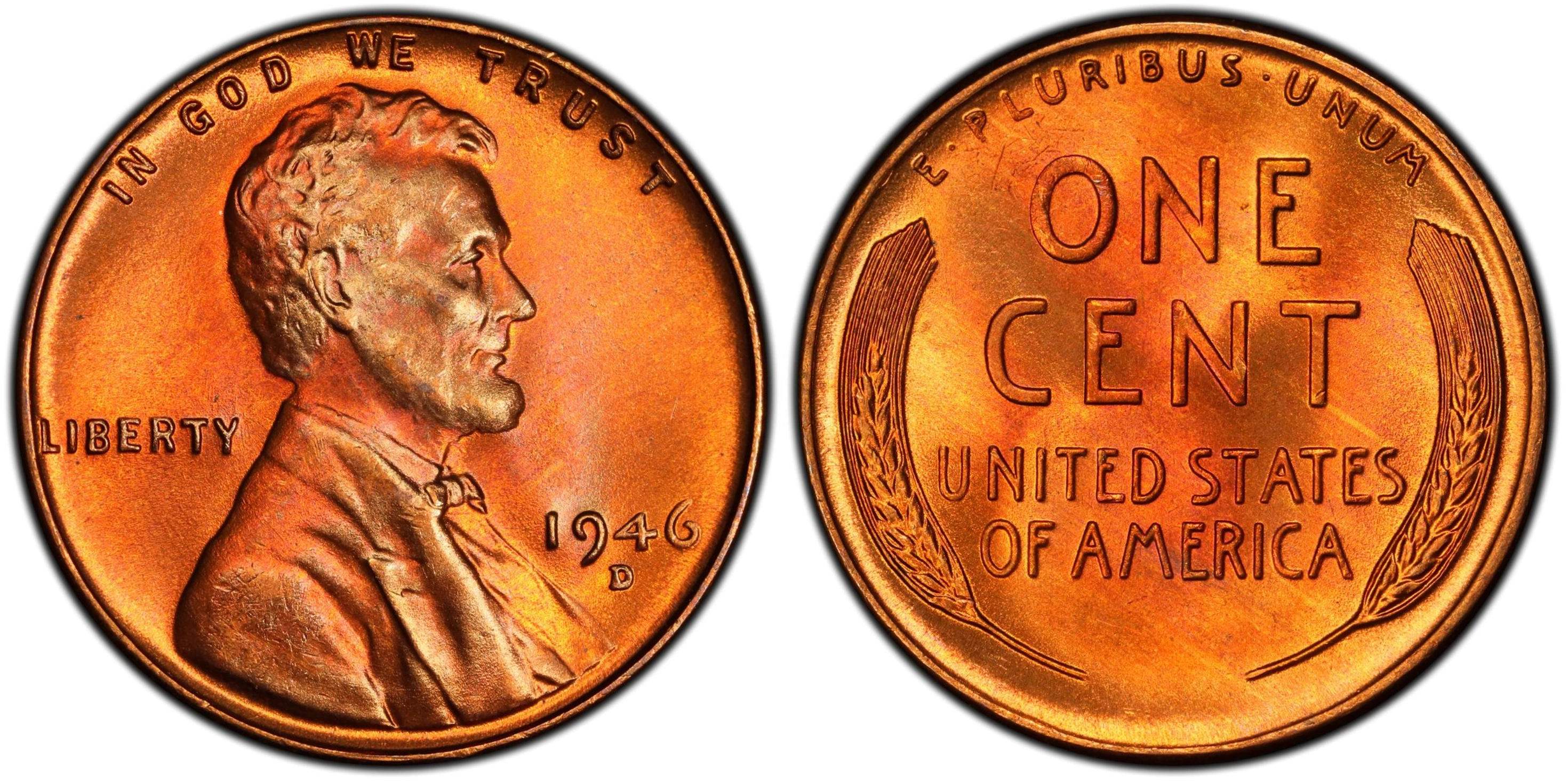
Denver | D | 315,690,000 |
San Francisco | S | 198,100,000 |
The total mintage is 612,955,000. Look for more unique penny details on coin-identifier.com.
Philadelphia No Mint Mark Penny
The sheer scale of this production run meant that billions of these items entered daily trade immediately, which wore down their physical details within a few decades. Coins in grades from Very Fine to Extremely Fine trade for less than one dollar.
Collectors routinely acquire these brown or red-brown uncirculated pieces for five to twenty-five dollars. Huge retail inventories suppress any major price spikes in these lower brackets.
Denver D Penny
Denver employees generally maintained their machinery well, which resulted in sharp details on many of these coins. Color plays a primary role in Denver coin values.
A 1946-D coin in a Brown or Red-Brown Mint State grade rarely exceeds a value of fifty dollars. These items do not draw intense interest because ample supplies exist in the market.
San Francisco S Penny
This figure represents the lowest mintage among the three mint facilities for that year. Because of this lower total, collectors watch this issue with extra care. The branch mint in California frequently suffered from worn dies, which makes crisp, well-struck examples scarce.
Auction Records
Item | Price | Platform |
Denver, MS-67+ Red | $2,585 | Heritage Auctions |
Philadelphia, MS-67 Red | $14,950 | Heritage Auctions |
San Francisco, MS-67+ Red | $16,800 | Heritage Auctions |
Inverted and Re-punched Mint Mark Varieties
Die varieties expand the valuation model for San Francisco cents. The most prominent error is the 1946 S/D Inverted Mint Mark, known as variety FS-501. A mint worker placed the mint mark upside down or punched an S over a D mark.
These distinct varieties change standard price structures completely. Even in circulated condition, a verified FS-501 variety can command a triple-digit price, far outperforming any normal coin from that year.
Crucial Factors to Watch for Before Bidding or Consigning
Third-Party Certification Baseline
Raw, uncertified 1946 pennies rarely generate substantial profits. A typical unverified specimen sells for less than ten dollars because buyers refuse to risk their capital on raw copper. Professional coin certification removes this doubt.
Authentic labels from PCGS establish the true condition tier. You must check the official population census numbers to determine if your coin commands a true market bonus.
The Impact of CAC Verification
The Certified Acceptance Corporation provides an additional layer of market confirmation. A green CAC sticker indicates that the coin meets the strict upper limits of its assigned grade.
At live auctions, this green label accelerates bidding activity. Certified coins with a CAC sticker regularly command a twenty to forty percent premium over non-stickered counterparts in identical grade holders.
Alloy Stability
The wartime shell-case metal composition introduces physical risks. These post-war pennies frequently show dark streaks or planchet lines across the surfaces.
This pattern resembles a wood grain texture. Collectors avoid coins with large carbon spots or dark stains. Superior appeal requires a clean:
Surface
Clear fields
Consistent color
These attributes insulate your coin against price drops during market corrections.